
The Approach
Chicago’s medical landscape presents unique opportunities and obstacles. With multiple major academic medical centers – Northwestern, Rush, University of Chicago, Loyola, University of Illinois Chicago, Cook County and the VA system, in close proximity, the city has both concentrated expertise and institutional competition.
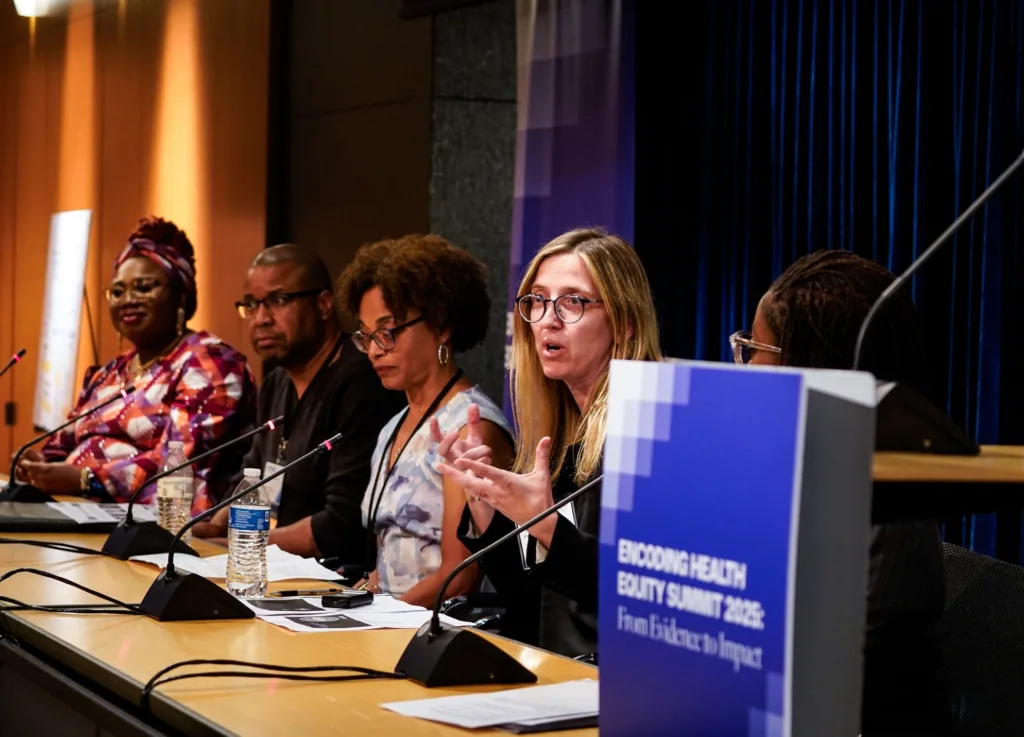
C-CARE, founded by Dr. Amanda Bradke of Rush University in 2020, innovated by transforming institutional competition into a force for equity. The coalition’s strategy was elegantly simple: use peer pressure. When one institution implemented race-neutral eGFR, C-CARE members would return to their home institutions armed with powerful ammunition: “Rush already went race neutral with eGFR, what’s the holdup here?”
The coalition also recognized that data alone wouldn’t drive change. Drawing from community organizing traditions, they collected 300 signatures on white papers before submitting them, transforming academic documents into petitions. They leveraged the Chicago Department of Public Health to send official letters to hospitals, asking pointed questions about their transition timeline to race-neutral equations.
Implementation in Action
C-CARE’s methods reflected both academic rigor and organizing savvy. Every meeting began with 30 minutes of collective education, reading and discussing articles ranging from peer-reviewed research to news pieces. This practice ensured that all members truly shared an understanding of the core issues.
Within the VA system, an anti-racism committee with a clinical algorithms subcommittee achieved remarkable advocacy results: when new eGFR recommendations emerged, every VA hospital nationally implemented changes within 3 to 4 months – a remarkably quick turnaround.
The coalition’s interdisciplinary composition, including physicians, nurses, pharmacists, social workers, psychologists, medical students, and veterans, proved crucial. Each discipline brought unique perspectives and spheres of influence, creating multiple pressure points for change within institutions.
Responding to Objections
C-CARE’s impact extended beyond institutional policy changes. Members became skilled at recognizing and responding to the “same three objections” that colleagues and institutions raised for every algorithm considered:
- Demands for data – despite original race-based decisions lacking rigorous support;
- Calls to wait for professional societies – with no guarantees of implementation if professional societies were to update their guidelines; and
- Concerns about changes doing potential harm to patients – while ignoring current existing, documented harms.
Key Insights
- Creative pressure works: Using peer pressure and communications from officials can overcome institutional inertia
- Interdisciplinary coalitions multiply impact: Each profession can influence their own domain while supporting broader change
- Persistence pays: Expecting and preparing for standard objections allows rapid response
- Community organizing tactics have place in academic medicine: Petitions, collective action, and people power can shift entrenched practices
C-CARE demonstrates that academic medical centers, despite their hierarchical structures and reverence for tradition, can be transformed through strategic collective action.
Call to Action for Specialty Societies
Medical societies can adopt C-CARE’s peer pressure strategy by publicly tracking which member institutions have implemented race-neutral algorithms, creating transparency that motivates change. They can mobilize their membership through petitions and interdisciplinary coalitions, recognizing that data alone isn’t sufficient to overcome the standard objections that perpetuate race-based medicine.